Introduction
Cricket tours don't have to be exclusively about matches and training. One of the most memorable additions to a Sri Lanka cricket tour is a wildlife safari experience. With proper planning, safari extensions can be seamlessly integrated into your tour schedule, providing team members with once-in-a-lifetime encounters with exotic wildlife and pristine natural landscapes. This guide explores how to make safari experiences work perfectly alongside your competitive cricket commitments.
Why Add a Safari to Your Cricket Tour?
Team Building & Bonding
Safari experiences create unique bonding opportunities away from the intense pressure of competitive cricket. Observing wildlife together, sharing accommodations, and experiencing awe-inspiring moments builds team camaraderie that translates back to match performance.
Mental Refresh & Recovery
The combination of nature immersion, reduced pressure, and genuine wonder provides exceptional mental recovery. Players return from safari experiences refreshed, energized, and with renewed focus for upcoming matches.
Cultural & Educational Value
For school and amateur cricket teams, safari experiences provide valuable educational exposure to wildlife conservation, ecosystems, and Sri Lanka's biodiversity—opportunities not available at home.
Enhanced Tour Storytelling
Safari experiences create compelling narratives and photos that will be shared for years. It transforms your tour from "a cricket trip" into "an unforgettable Sri Lankan adventure."
Sri Lanka's Premier Safari Locations
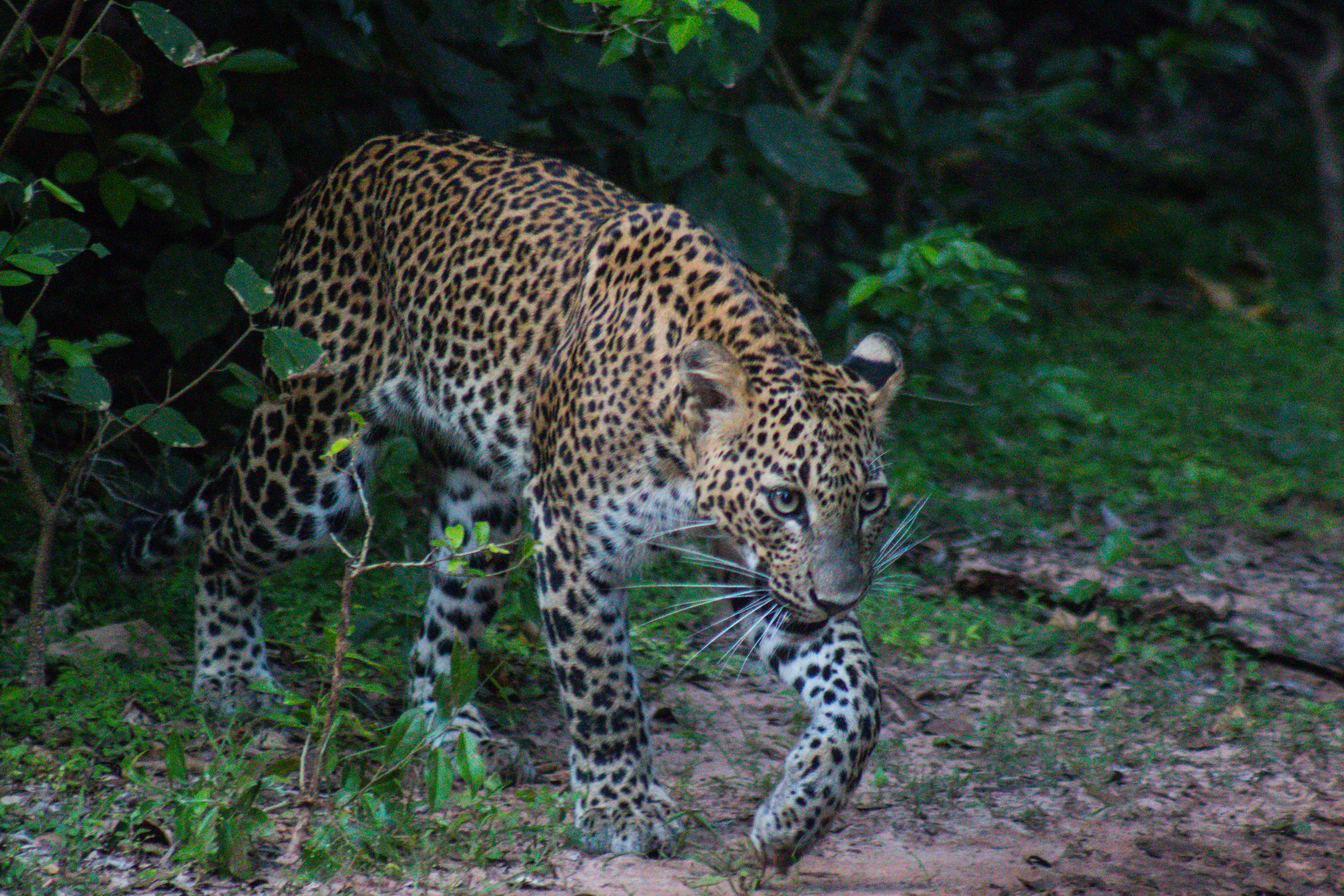
Yala National Park
Sri Lanka's most popular and largest national park, Yala is famous for its exceptional wildlife population and dramatic landscapes.
What you'll see:
- Asian leopards (one of the highest densities in the world)
- Sloth bears and wild boar
- Spotted deer and sambar deer
- Crocodiles and monitor lizards
- Over 200 bird species
Best time: December to June (dry season)
Tour structure: Early morning and late afternoon game drives provide optimal wildlife viewing. A 2-4 day extension works well between cricket fixtures.
Udawalawe National Park
Known as the "Elephant Park," Udawalawe offers excellent opportunities to view Sri Lankan elephants in their natural habitat.
Highlights:
- Large elephant herds (50+ often sighted)
- Water buffalo and wild boar
- Numerous bird species
- Beautiful reservoir settings
Advantages for teams:
- Closer to beach areas (combining safari with coastal relaxation)
- Generally less crowded than Yala
- Shorter driving distances from southern cricket venues
- More affordable than Yala
Minneriya National Park
Famous for the "Gathering"—a seasonal phenomenon where up to 300 elephants congregate around the Minneriya Tank.
Perfect for:
- Unique elephant viewing experiences
- Convenient location near Kandy and cricket venues
- Shorter safari duration if time is limited
- Photography opportunities
Best time for the Gathering: August-September (monsoonal season)
Kumana National Park
A more remote and less touristy option, Kumana is perfect for teams seeking authentic wildlife experiences in pristine natural settings.
Unique features:
- Remote coastal wetlands ecosystem
- Exceptional bird watching (hundreds of species)
- Away from tourist crowds
- Near beautiful beaches like Arugam Bay
Safari Tour Structures
The 2-Day Safari Extension
Ideal for: Teams with tight schedules between fixtures
Structure:
- Day 1: Travel to park (morning/afternoon), one afternoon game drive
- Day 2: Early morning game drive, return to cricket venue
Best parks: Minneriya, Udawalawe
The 3-Day Safari Extension
Ideal for: Maximum wildlife viewing experience with recovery time
Structure:
- Day 1: Morning travel, afternoon game drive, evening rest
- Day 2: Full day—early morning drive, midday rest, afternoon drive
- Day 3: Early morning game drive, departure for next cricket venue
Best parks: Yala, Udawalawe
The 4-5 Day Safari Immersion
Ideal for: School tours wanting comprehensive safari and nature experiences
Structure:
- Multiple game drives for high wildlife encounter rates
- Guided nature walks and educational sessions
- Relaxation and team activities between drives
- Sunrise and sunset experiences
Logistics & Practical Considerations
Timing Within Your Tour
The ideal moment for a safari is typically:
- After 2-3 matches: Players need recovery, team bonding
- Before final fixtures: Provides mental refreshment for last push
- During scheduled rest days: Maximize the recovery aspect
- Avoid immediately before critical matches: Allow adjustment period
Transportation
Team transport options:
- Dedicated safari vehicles for the group (recommended)
- Open-air vehicles for optimal wildlife viewing
- Experienced driver-naturalists who can identify species and behaviors
- Roomy vehicles with quality seating (important for comfort on long drives)
Accommodation
Safari lodge options range from basic to luxury. Consider:
- Budget lodges: Comfortable rooms, shared dining, basic amenities
- Mid-range resorts: Better comfort, private facilities, good food
- Luxury lodges: Premium comfort, excellent dining, exceptional service
Budget-friendly options still provide quality experiences—accommodation quality rarely impacts wildlife viewing success, so teams can prioritize other aspects.
Cost Considerations
A typical 2-day safari extension costs $400-800 per person including:
- All meals
- Government park fees
- Professional guides and drivers
- Accommodation
- Transportation to/from park
Group packages offer significant discounts compared to individual bookings.
What to Bring & Prepare
Packing Essentials
- High SPF sunscreen and hat (important!)
- Binoculars for wildlife viewing
- Camera with a good zoom lens
- Lightweight, neutral-colored clothing (avoid bright colors)
- Good walking shoes
- Insect repellent
- Medications and first aid supplies
Health & Safety
- Ensure all vaccinations are current before the tour
- Take malaria prevention if recommended for the region
- Carry comprehensive travel insurance
- Follow guide instructions carefully for safety
- Maintain proper hydration during game drives
Sample Safari Integration
Week 2 of a 3-week tour:
Days 8-9: Two matches in coastal Sri Lanka
Day 10: Recovery day at accommodation, travel to Udawalawe
Days 11-12: Safari experience (2 days), guided drives, team activities
Day 13: Travel back to cricket venue, light training
Days 14-15: Two final important matches with team energized and bonded
Making the Most of Your Safari
Educational Components
Enhance the experience with educational value:
- Pre-safari naturalist briefings about ecosystem and conservation
- Species identification guides
- Discussion of wildlife behavior and adaptation
- Reflection sessions about connecting with nature
Photography & Documentation
Designate team photographers or encourage everyone to capture the experience:
- Wildlife photography creates memorable tour content
- Group photos with landscapes for team archives
- Video clips for post-tour documentaries or social sharing
- Create a tour memory book with safari highlights
Team Activities During Safari
- Evening campfire or lodge gatherings to share observations
- Quizzes about Sri Lankan wildlife
- Wildlife spotting competitions between team members
- Joint meals and storytelling about the day's experiences
Conclusion
Safari extensions transform cricket tours from purely sporting endeavors into comprehensive travel experiences that develop team cohesion, provide genuine mental recovery, and create lasting memories. By strategically integrating 2-4 day safari experiences between cricket fixtures, teams gain multiple benefits without compromising their cricket objectives.
Sri Lanka's exceptional wildlife, stunning national parks, and experienced safari operators make adding a safari element both practical and profoundly rewarding. A well-planned safari doesn't distract from your cricket tour's primary goal—it enhances team performance by providing the perfect balance of competition, recovery, and unforgettable experience.
Visit Ceylon Roar to design a customized tour that seamlessly integrates cricket matches, team experiences, and Safari adventures into one comprehensive, transformative journey.